

Overview
CSR in production is an increasingly central concept in today's business landscape, where sustainability and social responsibility go hand in hand to create long-term value for both companies and society. When it comes to production, and especially packaging materials, there is a unique opportunity to combine environmental and social aspects to make a real difference.
In this article, we focus on how CSR (Corporate Social Responsibility) is integrated into Swedish production of packaging materials, with a particular emphasis on social benefit. We look at how material choices, manufacturing processes, and working conditions can contribute to sustainability, social responsibility, and how this strengthens both brand and purchasing strategies.
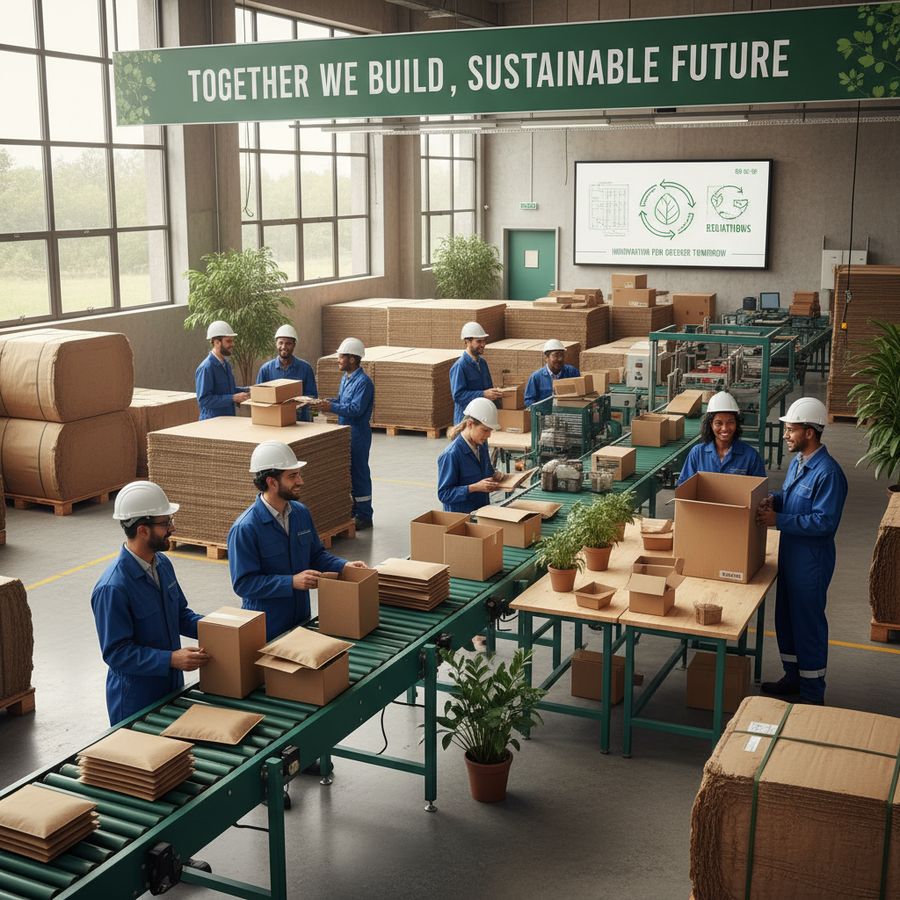
Packaging materials like WELL-CHIP's from ReppaP are an excellent example of how CSR in production can be implemented in practice. By using recycled cardboard material manufactured by people with various functional variations, environmental benefits are combined with social inclusion – a win-win for both business and society.
This overview provides a foundation for understanding the most important aspects of CSR in production, including traceability, supplier chain requirements, and how to credibly communicate sustainability efforts without falling into the greenwashing trap. We conclude by discussing how CSR is linked to ESG reporting and the company's sustainability goals.
What CSR means for purchasing and brand
CSR in purchasing involves making conscious choices that promote sustainability and social responsibility throughout the entire supply chain. For purchasers, this means prioritizing suppliers and products that not only meet economic requirements but also ethical, environmental, and social criteria.
Integrating CSR into the purchasing process strengthens the company's brand by demonstrating a genuine commitment to sustainability and social responsibility. Consumers and partners increasingly value companies that take responsibility for their impact on the environment and people.
Packaging materials are a key component where CSR can make a significant difference. By choosing environmentally friendly and socially produced alternatives, such as WELL-CHIP's, companies can reduce their climate impact and simultaneously contribute to increased inclusion in the labor market.
This creates a competitive advantage and builds trust in the market. Companies that prioritize CSR in purchasing not only gain a better environmental profile but can also meet increased demands from customers and authorities for transparent and responsible production.
"Integrating CSR in purchasing is not just an ethical necessity but a strategic investment in the brand's future."
Social responsibility in Swedish production
Swedish production has long been associated with high standards for working environment and social responsibility. Including social aspects in production means giving people, who are often far from the labor market, opportunities for meaningful work and social inclusion.
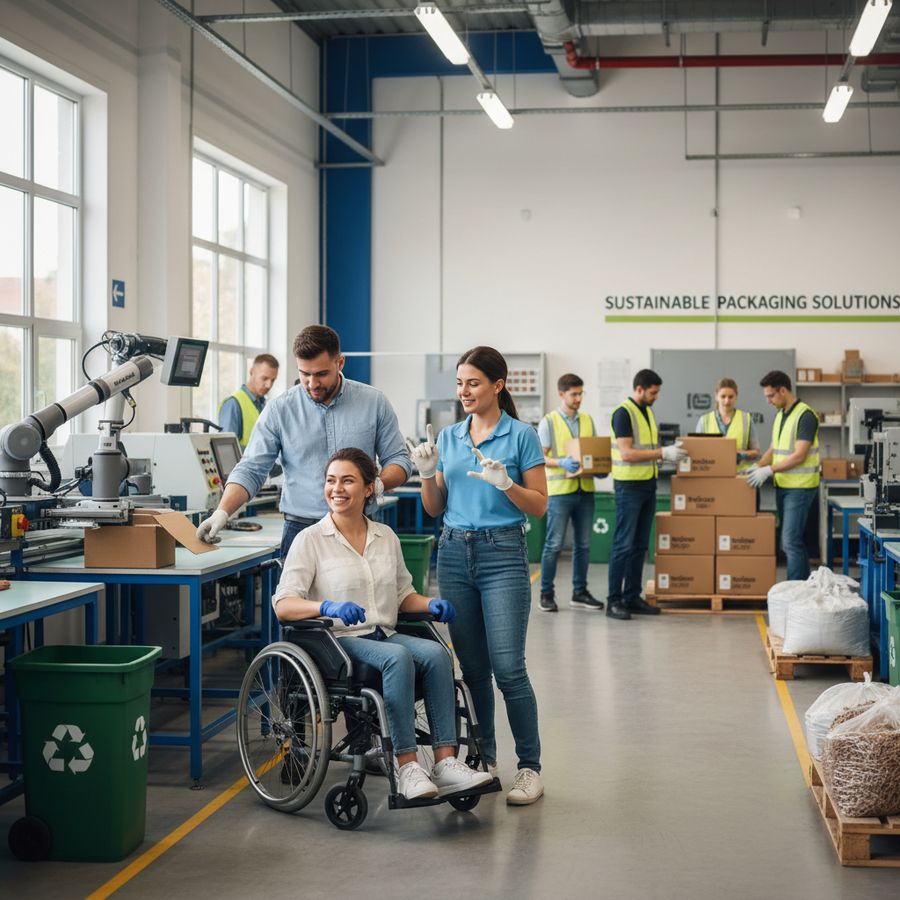
A clear example is ReppaP's WELL-CHIP's, which are manufactured by people with diagnoses and functional variations. This production model shows that social responsibility can be combined with environmental sustainability – an important step towards a more inclusive labor market.
By providing work to people with special needs, companies contribute to reducing exclusion and creating a fairer labor market. It also strengthens the social fabric and increases social sustainability throughout the entire production chain.
The Swedish model for social responsibility in production is characterized by a strong link to values such as respect, inclusion, and fairness, which gives the products added value appreciated by both customers and partners.
Traceability and requirements in the supply chain
Traceability in the supply chain is a cornerstone for ensuring that CSR requirements are met throughout the entire production chain. This means that companies can follow the material's path from raw material to finished product and thereby guarantee sustainability and social responsibility.
For packaging materials, it is particularly important to know the origin of the materials and the working conditions of the suppliers. By setting clear requirements, companies can ensure that production takes place under ethical conditions and with the least possible environmental impact.
Supplier requirements may include:
-
Environmental certifications and recycled raw materials
-
Socially responsible working conditions
-
Transparency and documentation of production processes
-
Compliance with laws and regulations regarding working environment and human rights
With effective traceability, it also becomes easier to communicate sustainability efforts to customers and stakeholders, which strengthens the company's credibility and brand.
How to communicate sustainability without greenwashing
Greenwashing is a common problem when companies exaggerate or misrepresent their sustainability efforts. To avoid this, transparency and honesty are crucial when communicating sustainability to customers and the public.
It is important to base all communication on verifiable facts and to clearly show how CSR efforts impact both the environment and society. Using concrete examples, such as WELL-CHIP's production with recycled materials and social inclusion, creates credibility.
Tips for credible communication:
-
Present measurable results and goals
-
Use third-party certifications and reports
-
Avoid vague claims and buzzwords without substance
-
Be open about challenges and areas for improvement
"Honesty and transparency are key to building trust and avoiding greenwashing."
By communicating sustainability in a genuine way, companies can create long-term relationships with customers and partners who value true social responsibility and environmental work.
Link CSR to ESG reporting and goals
ESG reporting (Environmental, Social, Governance) is currently a standard for how companies report their sustainability work. CSR efforts in production can and should be integrated into this reporting to demonstrate a holistic view of sustainability.
By linking CSR to the ESG framework, companies can clearly show how social responsibility, environmental efforts, and good governance interact to achieve sustainability goals. It also makes it easier to attract investors and partners who demand sustainability.
Important aspects to include in ESG reporting linked to CSR in production:
-
Social inclusion and working conditions in production
-
Environmental impact from material selection and manufacturing
-
Transparency in the supply chain
-
Measurable goals for reduced climate impact and increased social benefit
Integrating CSR into ESG reporting strengthens the company's credibility and market position, while contributing to sustainable development for both companies and society.
Conclusion
CSR in production is more than just a buzzword – it's a necessity for companies that want to create real sustainability and social benefit. By choosing environmentally friendly and socially responsible solutions for packaging materials, such as WELL-CHIP's manufactured in Swedish production, companies can reduce their climate impact and simultaneously make a difference for people who are far from the labor market.
Traceability and clear requirements in the supply chain ensure that sustainability work is genuine and transparent, which is also crucial to avoid greenwashing. By linking CSR efforts to ESG reporting and clear goals, companies can demonstrate a holistic approach and build trust with customers, investors, and society as a whole. To learn more about how you can improve your sustainability work, visit Reppap.
Working with CSR in production is therefore both a strategic investment and a moral obligation – a combination that contributes to business benefit with heart.
0 comments