

Overview
Packaging infill is a critical component in the transportation and delivery of goods, where the choice between cardboard and plastic impacts both product safety and environmental footprint. With an increasing focus on sustainability and reduced carbon emissions, comparisons between cardboard vs. plastic have become highly relevant within the logistics and packaging industries.
Cardboard infill, especially when made from recycled material, offers a more environmentally friendly solution compared to traditional plastic infill. Plastic, on the other hand, is often made from fossil resources and can be more difficult to recycle in practice, leading to higher CO₂ emissions and littering in nature.
This article provides an in-depth look at the life cycle analysis of packaging materials, focusing on cardboard infill and plastic infill. We will analyze emissions from manufacturing and transport, post-use handling, and differences in how recycled and reused materials affect the climate footprint. The goal is to provide you with a clear and fact-based comparison to guide sustainable choices in your business.
“Choosing the right packaging infill is not just about protecting the product, but also about protecting our planet from unnecessary emissions.”
With increasing demands for ESG reporting and sustainability goals, it is more important than ever to understand the differences between cardboard and plastic from a climate perspective. In this guide, you will gain the knowledge to reduce your business's climate impact without compromising quality and function.
Life Cycle Analysis: Cardboard Infill vs. Plastic
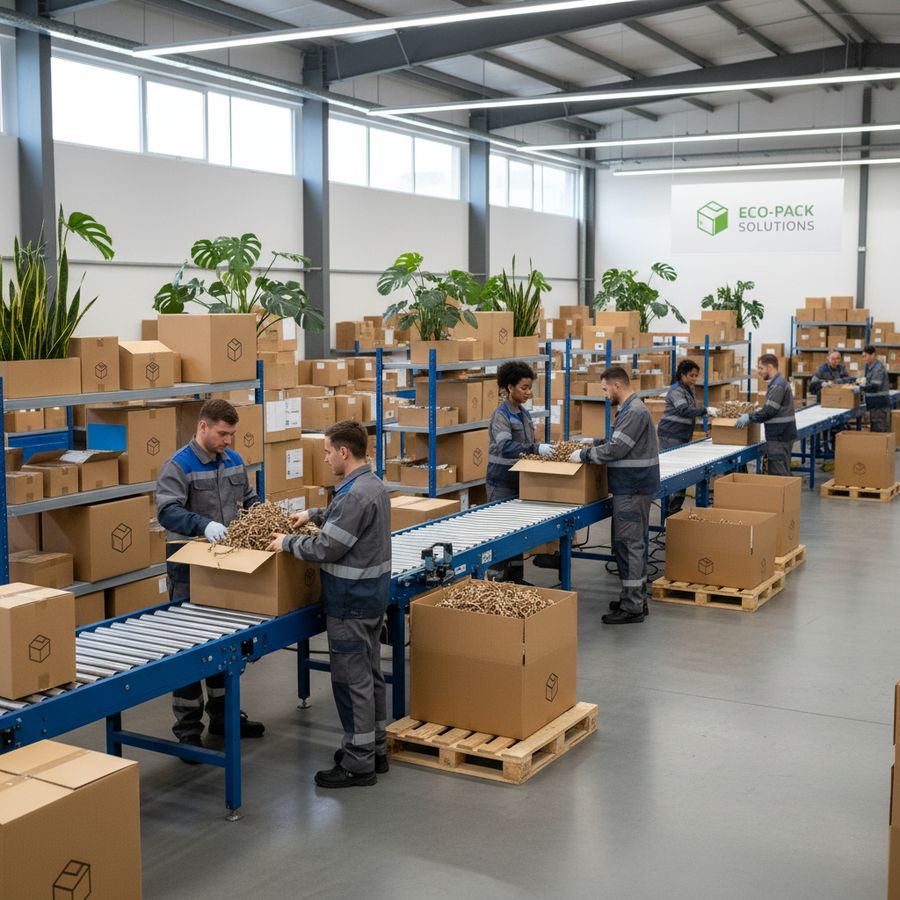
A life cycle analysis (LCA) is a tool that maps the environmental impact of a product from raw material extraction to final waste disposal. When comparing cardboard infill and plastic infill, it is crucial to consider the entire chain to understand the total climate impact.
Cardboard infill, especially that made from recycled material, often has a significantly lower CO₂ impact throughout its life cycle. This is because the raw material for cardboard can be reused multiple times, extending its lifespan and reducing the need for new production. Furthermore, the manufacturing of cardboard infill is often local, minimizing transport distances and thus emissions.
Plastic infill is often based on petroleum products and requires energy-intensive production. In addition, plastic's recycling rate is often low, and much plastic ends up in incineration or landfill, leading to greenhouse gas emissions and environmental pollution.
Key factors in life cycle analysis:
-
Raw material extraction and processing
-
Energy consumption during manufacturing
-
Transportation and distribution
-
Use and protective function
-
Recycling, reuse, or waste management
By choosing cardboard infill made from reused cardboard, such as WELL-CHIP's from ReppaP®, one can significantly reduce total CO₂ emissions while supporting a circular economy that prioritizes sustainability and social inclusion.
CO₂ Emissions During Manufacturing and Transport
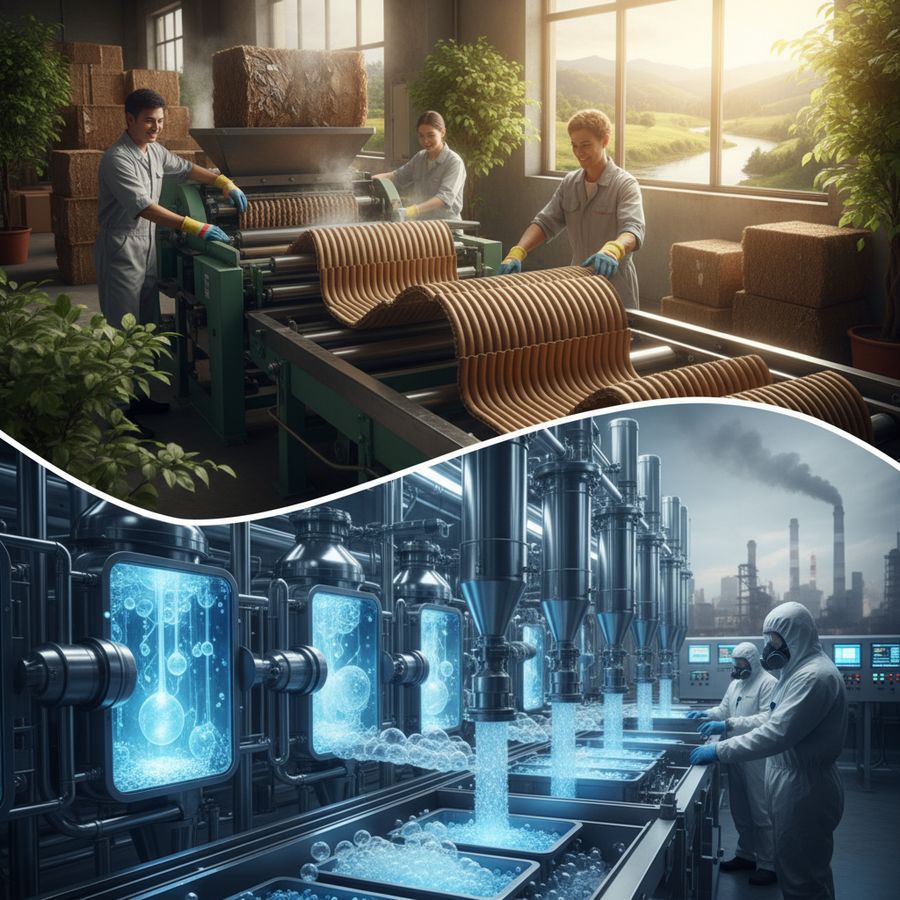
CO₂ emissions are one of the most significant factors when assessing the environmental impact of packaging materials. The manufacturing of plastic infill is generally more energy-intensive compared to cardboard, as plastic requires the refining of fossil raw materials and chemical processes.
Cardboard infill, especially when manufactured from reused cardboard, essentially has a zero CO₂ contribution in production. This is a major advantage, as it means the manufacturing process itself does not add any significant climate impact. Furthermore, production often takes place locally in Sweden, which further reduces transport distances and thus emissions.
The climate impact of transport is also affected by the weight and volume of the infill material. Cardboard often has a lower weight-to-volume ratio than plastic, which can benefit transport efficiency.
“The manufacturing of packaging infill based on reused cardboard can reduce CO₂ emissions by up to 30% compared to plastic infill.”
For companies looking to optimize their climate impact, it is therefore important not only to consider the material choice itself but also the entire logistics chain. Shorter transport routes and local production of cardboard infill contribute to a more sustainable supply chain.
What Happens After Use: Recycling and Waste
Managing packaging infill waste is a key point in sustainability efforts. When it comes to cardboard infill, especially that made from recycled cardboard, recycling is simple and effective. Cardboard infill can be placed in corrugated cardboard recycling and returns to production as raw material.
Plastic infill, however, is often more difficult to recycle due to mixed materials and contaminants. Many plastic infills therefore end up in incineration or landfill, leading to greenhouse gas emissions and environmental burden.
Benefits of cardboard infill after use:
-
Can be recycled in existing corrugated cardboard recycling systems
-
Contributes to a circular economy and reduces the need for new raw material
-
Reduces the amount of waste going to incineration or landfill
By prioritizing cardboard infill, the risk of microplastics in the environment is also reduced, which is a growing problem associated with plastic waste. Choosing products like WELL-CHIP's means actively contributing to a more sustainable and cleaner environment even after the product has been used.
The Difference Between Recycled and Reused Material
The terms recycled and reused are often used in sustainability discussions but have different meanings and impacts on the climate. Recycled material is material that has undergone a process to be transformed into raw material for new products. Reused material means that the material is used again in its existing form without significant processing.
WELL-CHIP's from ReppaP® are made from reused cardboard, meaning the cardboard is repurposed in its existing form as infill material. This reduces the need for energy and processes normally required for recycling and therefore results in almost zero CO₂ contribution.
Key differences:
-
Recycled material: requires energy for collection, processing, and reshaping, but reduces the need for new raw material.
-
Reused material: used directly without extensive processing, further reducing energy consumption and CO₂ emissions.
Choosing reused products is therefore the most climate-smart option when it comes to packaging infill, as it extends the material's life cycle and minimizes environmental impact.
How to Calculate Climate Impact Per Shipment
Calculating climate impact per shipment is an important part of understanding and reducing a company's total CO₂ footprint. The climate impact of packaging infill depends on several factors that must be considered together.
To make an accurate calculation, you should include:
-
CO₂ emissions from the manufacturing of the infill material (cardboard or plastic)
-
Transport costs and emissions depending on distance and mode of transport
-
The weight and volume of infill material used per package
-
Recycling rate and final disposal of the material after use
By collecting data for these parameters, you can calculate a more accurate climate impact per shipment. For cardboard infill made from reused cardboard, such as WELL-CHIP's, emissions are often significantly lower compared to plastic, thanks to local manufacturing and high recyclability.
“Measuring climate impact in detail provides the opportunity to make conscious and sustainable choices throughout the supply chain.”
There are also digital tools and calculators that help companies estimate CO₂ emissions based on their specific conditions, which can be a valuable aid in sustainability work.
Conclusion
In summary, the comparison between cardboard vs. plastic packaging infill clearly shows that cardboard infill, especially when made from reused cardboard, offers significant environmental benefits. With up to 30% lower CO₂ emissions, local production, and easy recycling, cardboard infill is a sustainable choice for companies looking to reduce their climate impact.
Plastic infill, despite its protective properties, places a greater burden on the environment through higher manufacturing emissions, more difficult recycling, and the risk of environmental pollution. Investing in environmentally friendly alternatives such as WELL-CHIP's from ReppaP® is not only good for the planet but also for the company's brand and financial sustainability.
“With the right choice of packaging infill, you can protect your products and our planet – it's business benefit with heart.”
By prioritizing packaging infill made from reused cardboard, companies can reduce their climate footprint, contribute to a circular economy, and simultaneously create social values through inclusive work environments. It's a win-win solution for both the environment and society.
0 comments