

Overview
Recycling well-chips is an innovative and environmentally friendly solution that simplifies sustainable packaging by using recycled cardboard material as void fill in packaging. WELL-CHIPS contribute to reducing waste volumes and simultaneously lowering carbon dioxide emissions compared to traditional plastic fillings.
The product is made from recycled corrugated cardboard, meaning the cardboard gets an extended life by being used as protective packaging material instead of being directly disposed of as waste. This process makes WELL-CHIPS one of the most sustainable options for packaging management on the market.
Sustainable packaging is fundamentally about minimizing environmental impact by using materials that are recyclable, biodegradable, or reused. WELL-CHIPS combine these factors and offer a solution that is both economical and environmentally friendly.
"Fill your packages – not your CO₂ account." This slogan from ReppaP® emphasizes the environmental importance of choosing cardboard recycling over plastic filling.
With WELL-CHIPS, companies get a simple and effective method for packaging management that supports both the circular economy and reduced climate impact. Thanks to the material's origin and its high recyclability, the end customer can easily return the void fill material to cardboard recycling, which facilitates the entire recycling chain.
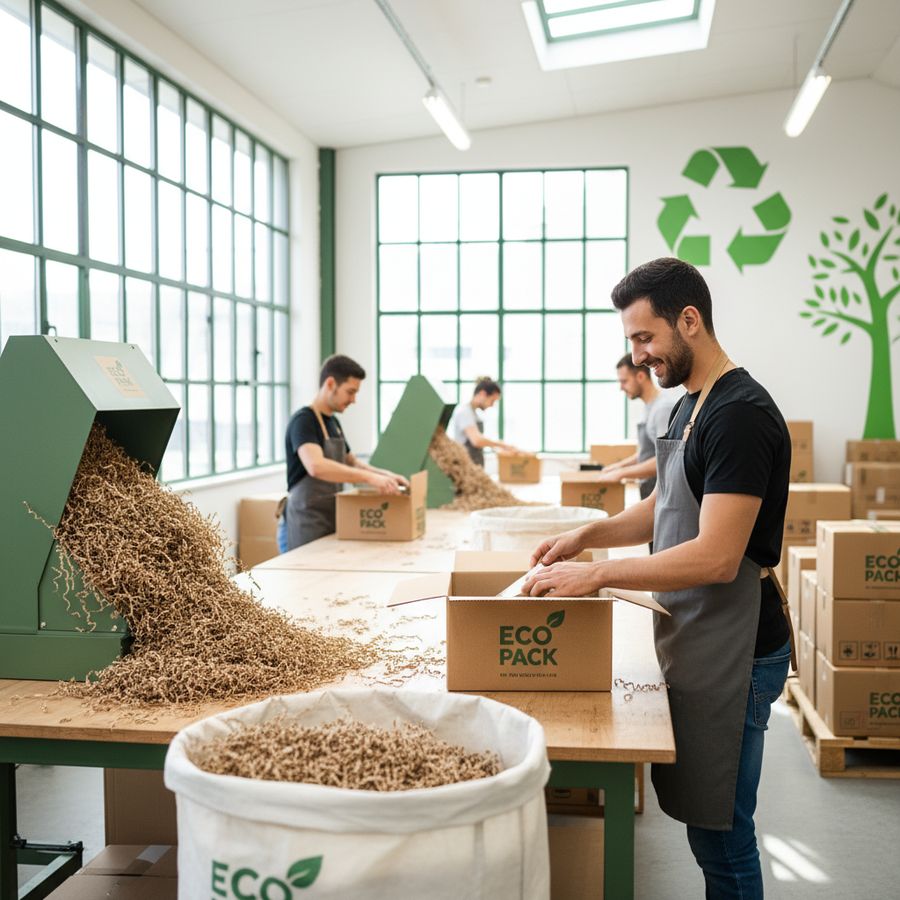
Recycling process for well-chips
Well-chip recycling occurs through a well-established process based on the material being made from recycled cardboard. Once the well-chips have served their purpose as protective filling in packaging, they can be easily sorted and recycled along with other cardboard waste.
The process begins with the collection of used well-chip material, which is then transported to recycling facilities. Here, the cardboard is ground down and refined back into new paper and cardboard products, creating a circular use of the fibers.
The importance of correct sorting cannot be underestimated to ensure effective recycling. Since well-chips are made of 94% recycled paper, they can easily go directly into the corrugated container at recycling centers, simplifying the process for both companies and private individuals.
"Everything goes into the corrugated container." – A common remark from end-users who appreciate the simplicity of sorting.
By choosing well-chips, the need for newly produced raw materials is also reduced, which saves energy and decreases greenhouse gas emissions. The production process also takes place in Sweden, meaning short transport distances and further reduced environmental impact.
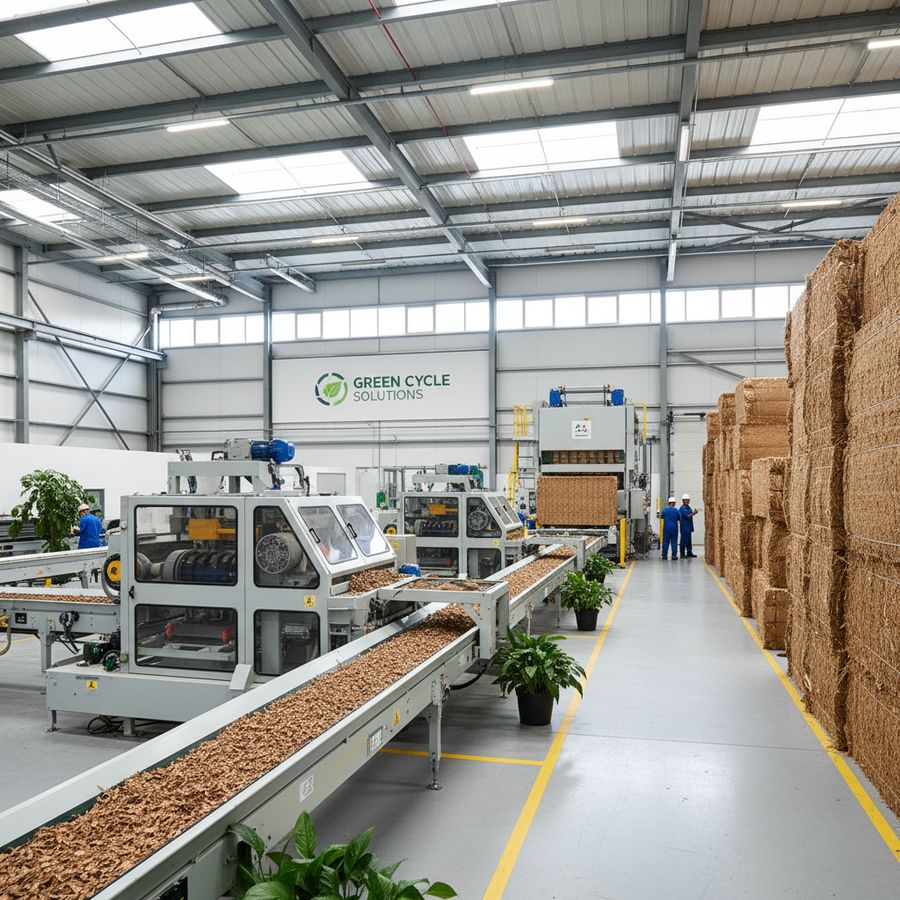
Difference from plastic recycling
One of the most noticeable differences between well-chip recycling and plastic recycling is the material's origin and degradability. Well-chips are made of cardboard, which is a natural and biodegradable material, while plastic is often petroleum-based and can take hundreds of years to break down in nature.
Plastic recycling often requires more complex processes and specialized facilities to separate different plastic types and purify the material, which can be both energy-intensive and costly. Cardboard recycling, on the other hand, is a more established and efficient process due to the material's homogeneous nature.
The environmental benefits of cardboard recycling are also linked to reduced emissions of microplastics and chemicals, which is not the case with plastic recycling. Furthermore, plastic recycling often results in a loss of material quality after each cycle, while cardboard fibers in well-chips can be recycled multiple times before becoming too short for continued reuse.
Another important aspect is that well-chips do not require new raw materials in production, which contrasts with many plastic products that are often made from virgin petroleum products. This contributes to a significantly lower carbon footprint for well-chips compared to plastic void fill.
Environmental benefits of cardboard recycling
Cardboard recycling offers several important environmental benefits that contribute to a more sustainable packaging chain. Firstly, the use of recycled cardboard material reduces the need to produce new cardboard, which in turn saves forest resources and reduces energy consumption in the manufacturing process.
By recycling well-chips, large quantities of water and energy are also saved compared to new production. Moreover, the production of WELL-CHIPS takes place in Sweden, which reduces transport-related emissions and contributes to more local and sustainable production.
Further environmental benefits include:
-
Up to 30% lower CO₂ emissions compared to equivalent plastic void fill.
-
Minimization of waste by extending the life cycle of cardboard material.
-
Biodegradability that ensures any spillage does not lead to long-term environmental pollution.
-
Easy for consumers and businesses to sort and recycle without special handling.
This combination of factors makes well-chips one of the most environmentally friendly options for packaging management on the market, and strongly contributes to reducing a company's total environmental footprint.
Tips for sorting and handling
To ensure that well-chips truly contribute to sustainable packaging, correct packaging management and sorting are essential. Here are some key tips to make the process as smooth and environmentally friendly as possible:
-
Always sort well-chips as cardboard waste. Since the material is 100% recyclable, it should be placed in the corrugated container where it can be collected and recycled efficiently.
-
Avoid contamination. Ensure that the well-chips are free from food residues, oils, or other contaminants that could negatively affect the recycling process.
-
Pack loosely. To facilitate collection, well-chips should not be compressed or packed in plastic bags, but handled as loose material.
-
Inform end customers. If you send products to consumers, include clear information on how well-chips should be sorted to promote proper recycling.
-
Optimize packaging volume. Use just enough well-chips to protect the products without overfilling the package, which reduces both material usage and shipping costs.
By following these tips, companies and individuals can contribute to efficient recycling and ensure that well-chips continue their life cycle in a sustainable way.
Impact on sustainability goals
The implementation of well-chip recycling in a company's packaging management has a clear and positive impact on several sustainability goals, both locally and globally. By choosing environmentally friendly void fill materials, companies contribute to the UN's Sustainable Development Goals, particularly Goal 12 (Responsible Consumption and Production) and Goal 13 (Climate Action).
With WELL-CHIPS, companies significantly reduce their carbon emissions thanks to a lower CO₂ footprint in manufacturing and transportation. This also contributes to a more circular economy where waste is transformed into resources, which is a central part of modern sustainability strategy.
"When you choose ReppaP®, you contribute to both sustainability and inclusion. It's business value with heart."
In addition to environmental benefits, WELL-CHIPS also create social value. Production engages individuals with diagnoses and functional variations, strengthening inclusion and social sustainability in working life. This makes WELL-CHIPS a holistic solution that combines environmental and social sustainability.
In summary, the use of well-chips supports both the company's own sustainability goals and broader global initiatives, while simplifying and streamlining packaging management.
Conclusion
Well-chip recycling represents an important step towards sustainable packaging that both reduces environmental impact and simplifies the recycling process. By using recycled cardboard as void fill, companies can reduce their carbon emissions, save natural resources, and contribute to a circular economy. Would you like to know more about how you can implement this in your business? Please visit Reppap for more information.
Well-chips are easy to use, effective, and fully recyclable, making them a practical solution for both large and small businesses in retail and e-commerce. Furthermore, production supports social sustainability by creating job opportunities for individuals with special needs.
For companies that want to adopt a sustainable approach to their packaging management, WELL-CHIPS are an environmentally friendly, economical, and responsible choice that simplifies the entire process from packaging to recycling.
"With ReppaP®, we save both money and CO₂ – and customers love it."
0 comments