

Overview
Wellchips and EPS chips are two common types of void fill packaging materials used to protect products during transport. As sustainability becomes increasingly important in logistics and e-commerce, so does the interest in how these materials affect the environment throughout their life cycle. This comparison highlights differences in environmental impact, material origin, manufacturing processes, and recycling opportunities to provide a clear picture of what is best from a sustainability perspective.
Wellchips are made from recycled cardboard and have a unique advantage in that they reuse existing material. This results in an almost negligible CO₂ impact during production and contributes to a circular economy where waste is given a new life. EPS chips, on the other hand, consist of expanded polystyrene, a plastic-based product that often has a significantly higher environmental impact both during manufacturing and at the end of its life cycle, as recycling is more complicated.
The environmental impact of these materials includes everything from raw material extraction, energy consumption during manufacturing, transportation, use, and finally, post-use handling. Therefore, it is important to analyze the entire life cycle to make a fair comparison. This article also explores cost-effectiveness and sustainability to provide a comprehensive view of which material is the most environmentally friendly and economically advantageous choice.
"By choosing the right packaging material, companies can significantly reduce their climate impact and at the same time contribute to a more sustainable future."
In summary, this comparison aims to highlight both the environmental and economic aspects of wellchips and EPS chips, with the goal of helping companies and consumers make informed and environmentally responsible decisions.
Material and manufacturing process
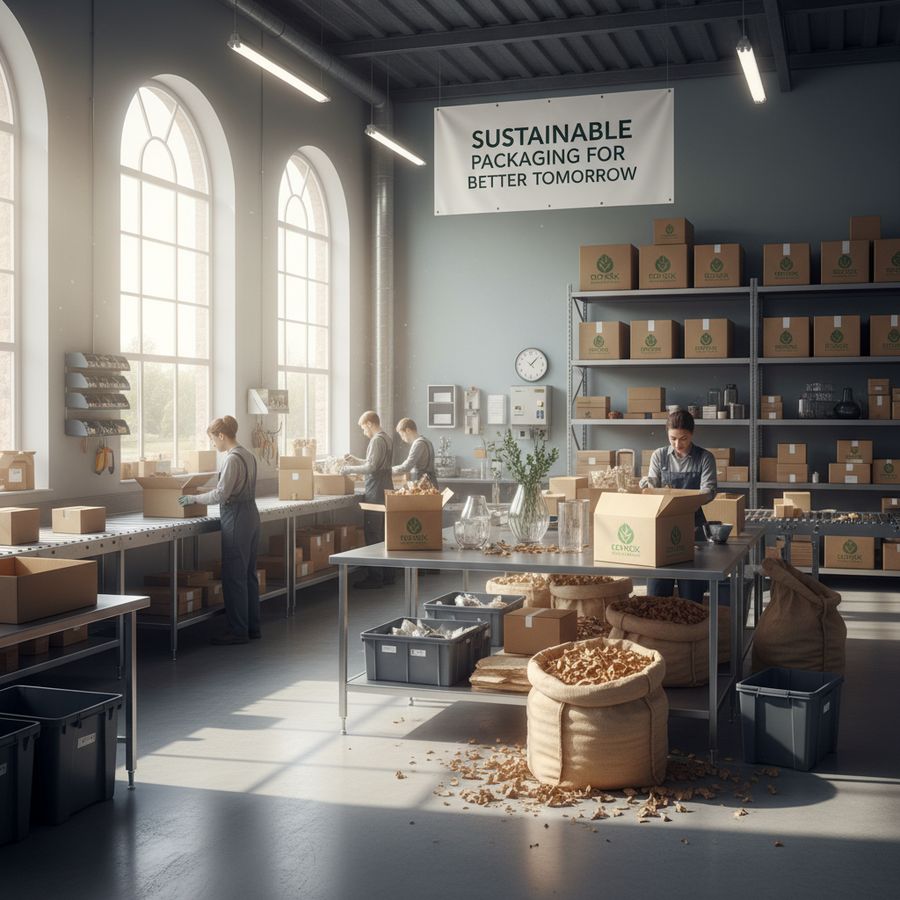
Wellchips are made from 100% recycled cardboard, often from used packaging cardboard that gets a second life cycle as void fill material. The material largely consists of corrugated cardboard, which is known for its good shock-absorbing properties and low weight. The manufacturing process for wellchips is environmentally adapted and has virtually zero CO₂ emissions as it does not require new raw material production but only reuse. In addition, production often takes place locally, minimizing transport-related emissions.
EPS chips, or expanded polystyrene chips, are manufactured by expanding polystyrene beads using heat and steam. This is an energy-intensive process that also involves fossil raw materials, contributing to a significant environmental impact already in the production phase. EPS is lightweight, which reduces transport costs, but the material is more difficult to recycle and does not degrade naturally in the environment.
The biggest difference between the materials lies in their origin and recyclability. Wellchips contribute to a circular economy by using and reusing existing material, while EPS is produced from virgin plastic and often has a limited recycling rate. The packaging industry is therefore seeing growing interest in transitioning to more sustainable and recyclable solutions such as wellchips.
-
Wellchips: Recycled cardboard, low energy consumption, local production, easy to recycle.
-
EPS chips: Fossil-based material, energy-intensive manufacturing, difficult to recycle, long degradation time.
"Choosing a material made from recycled cardboard reduces the need for new raw materials and effectively helps reduce emissions."
Life cycle analysis of wellchips
A life cycle analysis (LCA) of wellchips shows that their environmental impact is significantly lower compared to many other packaging materials. Since wellchips are made from recycled cardboard, the extraction and production of raw materials are largely eliminated, which is a major advantage from a sustainability perspective.
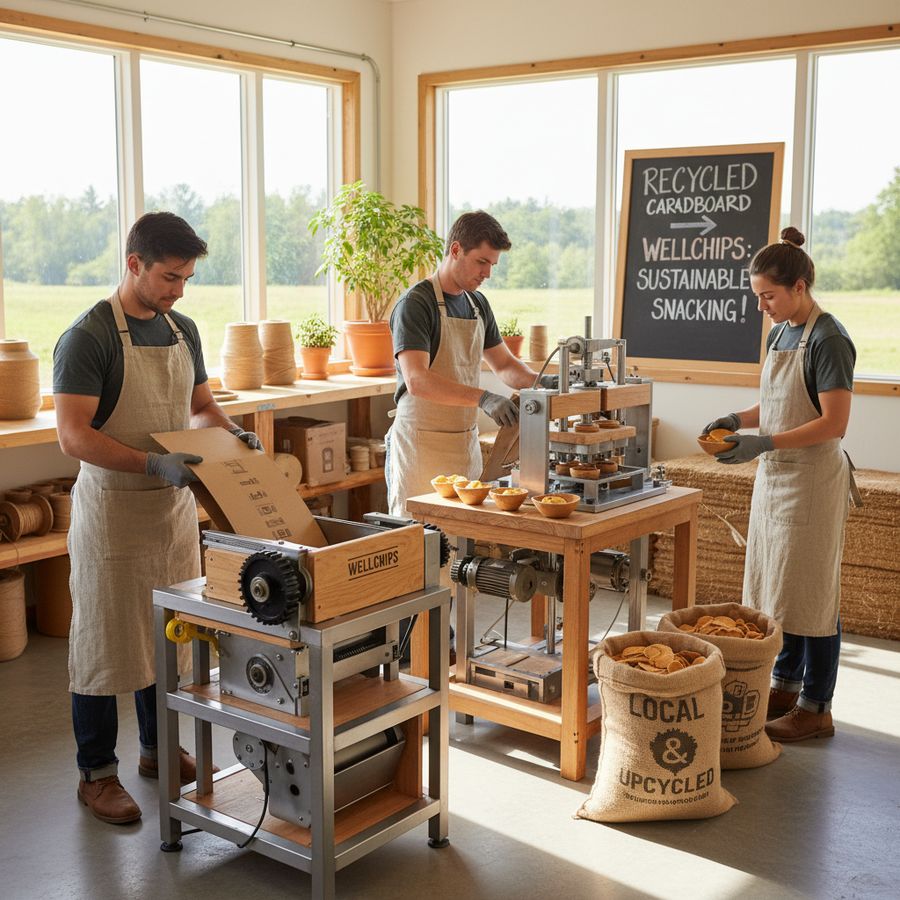
The life cycle of wellchips includes several steps: collection of used cardboard material, processing and forming into chips, distribution to the end customer, use as protective material in packaging, and finally recycling or composting. Each step is optimized to minimize carbon emissions and energy consumption.
An important aspect of wellchips' life cycle is that the product itself is 100% recyclable and can be sorted as cardboard waste after use. This means that the material can return to the production of new cardboard, creating a circular process that saves both energy and natural resources.
"By using wellchips, companies can achieve up to 30% lower CO₂ emissions compared to traditional plastic-based void fill materials."
Production and distribution often take place in Sweden, which reduces transport distances and thus further minimizes environmental impact. In addition, wellchips are an environmentally neutral choice as production does not require new raw materials but utilizes existing waste from other delivery processes.
-
Collection of recycled cardboard
-
Environmentally friendly processing without new raw materials
-
Local production and short transport routes
-
100% recyclable product
-
Circular economy and reduced carbon footprint
Environmental impact of EPS
EPS chips, made from expanded polystyrene, have a significantly greater environmental impact compared to wellchips. The manufacturing process is energy-intensive and based on petrochemicals, leading to greenhouse gas emissions and other environmental pollutants.
A major challenge with EPS is its long degradation time in nature. If the material ends up in improper waste management, it can contribute to microplastic pollution, which is harmful to both wildlife and ecosystems. Recycling EPS is possible but often complicated and less economically attractive, resulting in a large proportion ending up in landfills or incineration.
The transport of EPS chips is indeed efficient due to the material's low weight, but this does not outweigh the total environmental impact from production and end-of-life management. In addition, EPS is not biodegradable, creating long-term environmental problems.
"EPS is a product with high energy consumption and fossil raw materials, making it a less sustainable choice in a world striving for reduced carbon emissions."
Due to these factors, an increasing number of companies and organizations are actively working to replace EPS with more sustainable alternatives such as wellchips, which offer both environmental and social benefits.
-
High energy consumption during manufacturing
-
Based on fossil raw materials
-
Long degradation time and risk of microplastics
-
Difficult and expensive recycling
-
Greater climate impact than cardboard-based materials
Cost-effectiveness and sustainability
When choosing between wellchips and EPS chips, both cost-effectiveness and sustainability are crucial factors. Wellchips offer a competitive cost
The sustainability aspect is central to wellchips, where companies can benefit from reduced carbon emissions and simpler waste management. This, in turn, can strengthen the company's environmental profile and contribute to the fulfillment of ESG goals. Furthermore, wellchips create social value by being manufactured by people with disabilities, which is an important part of sustainability efforts.
EPS chips may initially seem cheaper to purchase, but when including costs for environmental management, recycling or landfill, as well as potential damage to the company's brand related to environmental impact, the total cost can be higher. In addition, future regulations regarding plastic use may further increase costs.
"Investing in sustainable materials like wellchips is not only good for the environment but can also provide long-term economic benefits."
In summary, wellchips are a cost-effective and sustainable alternative that meets increasing demands for environmental and social responsibility, while EPS chips risk becoming a less attractive solution in the future, both economically and environmentally.
Applications and advantages
Both wellchips and EPS chips are primarily used as void fill material for protecting fragile products during transport and packaging. However, their applications and advantages differ depending on the material's properties and environmental impact.
Wellchips are excellent for packaging where sustainability and environmental friendliness are prioritized. They are easy to handle, offer good shock absorption, and can be easily sorted as cardboard waste after use. In addition, wellchips are ideal for e-commerce companies and retailers who want to offer their customers an environmentally friendly product solution without compromising on protection.
The advantages of wellchips include:
-
Environmentally friendly material with low CO₂ impact
-
Recyclable and biodegradable
-
Shock-resistant and lightweight
-
Produced sustainably with work integration
-
Easy for the end customer to sort and handle
EPS chips are still used in many traditional packaging solutions due to their low weight and good shock-absorbing properties. However, they are less attractive in a sustainability context and may be phased out as environmental requirements increase.
"Choosing the right void fill material is not just about protection but also about contributing to a more sustainable packaging chain."
Conclusion
After comparing wellchips and EPS chips from an environmental perspective, it is clear that wellchips are the most sustainable and environmentally friendly option. Thanks to the use of recycled cardboard, local production, and zero CO₂ emissions in manufacturing, wellchips offer a sustainable solution that minimizes climate impact and at the same time promotes a circular economy.
EPS chips have their advantages when it comes to low weight and protective capability, but they also entail a significantly higher environmental impact due to fossil raw materials, energy-intensive production, and difficult recycling. The long-term environmental cost and the risks of microplastics make EPS a less desirable choice in today's climate-conscious society. Do you want to know more about sustainable alternatives? Visit Reppap. Companies that choose wellchips can not only reduce their climate impact but also strengthen their sustainability profile and contribute to social inclusion through the production model. This makes wellchips a smart, green, and economically sustainable choice for the packaging of the future.
"By switching to wellchips, companies take a step towards a greener future – with environment, economy, and social responsibility in focus."
0 comments