

Overview
Shock absorbing padding is a crucial component in modern packaging, especially when it comes to protecting sensitive and fragile products during transport. In Sweden, interest in sustainable and effective shock-absorbing materials has increased significantly as companies aim to reduce their environmental impact while ensuring product safety.
The Swedish market is characterized by a strong demand for recyclable and environmentally friendly solutions, where traditional plastic alternatives are often questioned. With this in mind, materials such as recycled cardboard and paper have become increasingly popular as packaging filler.
"Combining sustainability with functionality is the key to future packaging solutions in Sweden."
In this article, we review which materials and techniques work best for shock-absorbing packaging in Sweden, with a particular focus on environmental impact, performance, and practical use in warehouses and distribution.

Common searches: shock absorbing padding and packaging
There is a clear trend in Swedish search engines where companies and individuals search for effective and environmentally friendly shock absorbing padding solutions. Common searches include:
-
Shock-absorbing packaging for fragile products
-
Recyclable cardboard fillers
-
Best material for protection during shipping
-
Environmentally friendly alternatives to plastic packaging
These searches indicate a strong interest in finding smart and sustainable solutions that both protect the product and reduce the climate footprint. Companies also often want to compare performance and cost-effectiveness between different materials.
Understanding which terms and solutions are in demand is crucial to being able to offer the right product and service in Sweden.
Material selection: paper, cardboard, and plastic alternatives
When choosing shock-absorbing materials for packaging in Sweden, it is common to weigh the pros and cons between paper, cardboard, and plastic. Paper and cardboard are often favorites due to their recyclable properties and low climate impact.
Recycled cardboard, such as WELL-CHIP's, offers a sustainable solution that combines strength and flexibility, making them ideal as void fill material that protects against shocks and vibrations. These materials are biodegradable and can be easily recycled in Swedish recycling systems.
Plastic alternatives can sometimes offer higher shock absorption, but often have a significantly larger environmental impact and are more difficult to recycle. Therefore, many Swedish companies prefer to use cardboard-based solutions that are also produced locally to reduce transport CO₂ emissions.
"Recycled cardboard is one of the market's most environmentally friendly and effective void fill solutions."
Performance in drop tests and vibrations
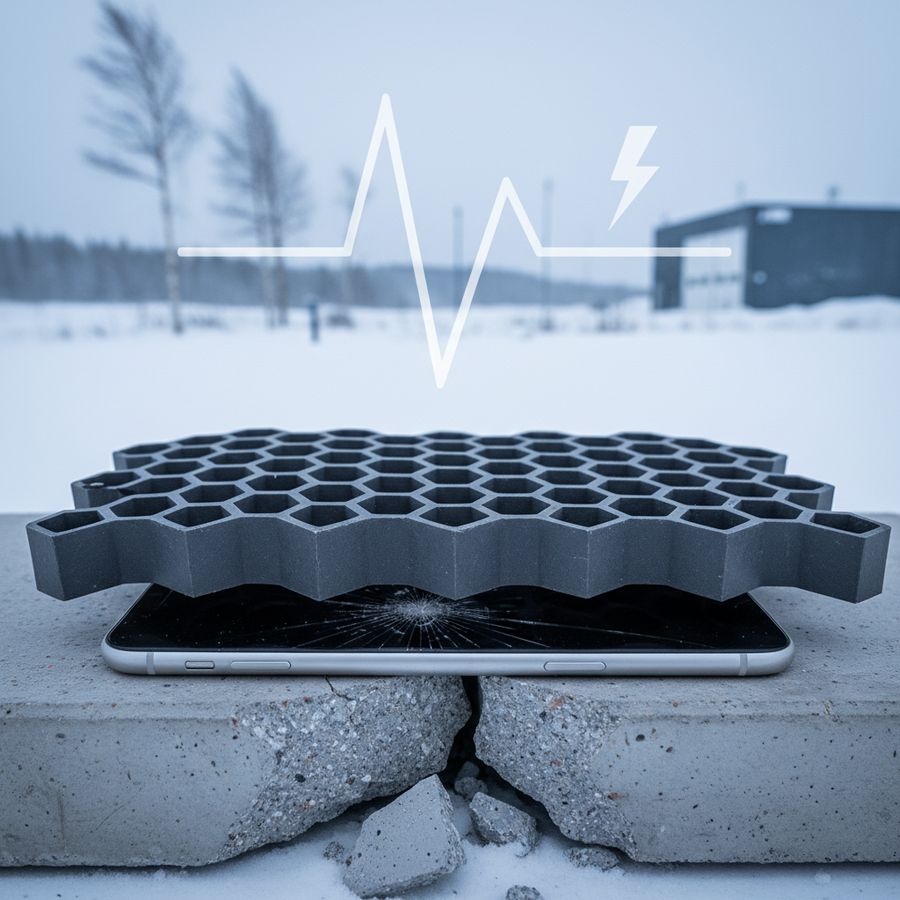
Effective shock absorbing padding must withstand stresses such as drops and vibrations during transport. Tests show that cardboard void fill, especially products like WELL-CHIP's, can offer robust protection without compromising environmental aspects.
In drop tests, the cardboard material absorbs shocks through its flexible structure and distributes the force evenly, reducing the risk of damage to the contents. Vibrations are effectively dampened thanks to air pockets and the material's natural resilient properties.
Compared to plastic void fill, cardboard void fill can exhibit equivalent or better performance in many types of stresses, while being easier to handle and recycle.
-
Robust protection against drop damage
-
Effective vibration damping
-
Easy to adapt to different product sizes
This makes cardboard-based shock-absorbing materials an excellent choice for Swedish companies that want to combine safety and sustainability.
Environmental impact: CO₂ and recyclability
Environmental impact is one of the most important factors when Swedish companies choose packaging and shock-absorbing materials. Cardboard void fill such as WELL-CHIP's is made from 94% recycled paper and has up to 30% lower CO₂ emissions compared to plastic void fill.
The product is also fully recyclable and can be easily sorted in corrugated cardboard recycling, which simplifies things for the end customer and contributes to a circular economy. Manufacturing takes place in Sweden, which reduces the environmental footprint of transport.
"Environmentally friendly packaging with almost zero CO₂ emissions throughout its life cycle is the future."
Choosing recycled cardboard as packaging material is therefore not only a matter of function but also an active environmental choice that supports companies' sustainability efforts and ESG reporting.
Warehouse management and fast packing process
Efficient warehouse management and a fast packing process are crucial for optimizing logistics and reducing costs. Shock absorbing padding in the form of cardboard void fill is easy to handle in the warehouse and can quickly fill empty spaces in boxes.
WELL-CHIP's are delivered daily throughout Sweden and can be offered with a price guarantee for larger volumes, making it easy to plan and streamline packing. The material is also easy for staff to work with and requires no special tools or training.
-
Fast and easy packing
-
Easy to adapt and dispense
-
Stable delivery and inventory management
This results in a smoother process and more satisfied customers, while keeping costs and environmental impact down.
Conclusion
Sweden faces a clear trend where sustainability and functionality go hand in hand when choosing shock absorbing padding. Cardboard-based solutions like WELL-CHIP's represent a strong alternative to traditional plastic void fill thanks to their environmental friendliness, recyclability, and good protective properties. To learn more about these solutions, visit Reppap.
By choosing recycled cardboard, companies can reduce their carbon footprint, simplify recycling for the end customer, and at the same time ensure that products arrive undamaged. The local manufacturing and inclusive working methods behind the product also provide added value that goes beyond the packaging itself.
"Investing in smart and sustainable packaging solutions is an investment in environment, economy, and society."
In summary, recycled cardboard void fill is a future-proof solution for Swedish companies that want to combine safety, sustainability, and cost-effectiveness in their packaging.
0 comments