

Overview
Shock-absorbing void fill material is a crucial component in e-commerce to ensure that products reach the customer in perfect condition. With an increased demand for sustainable and effective packaging materials, the choice of the right void fill has become more important than ever. It's not just about protecting the goods, but also about minimizing environmental impact and optimizing logistics.
This guide provides a deeper understanding of what is meant by shock-absorbing properties, the differences between padding, paper, and chips, and when extra protection in packages is needed. We also look at how you can optimize both material consumption and packing time for a smoother packing process, while meeting requirements for recycling and customer experience.
With the right knowledge, your company can both save money and reduce its climate impact. Furthermore, you contribute to a better customer experience by sending secure and well-packaged products. Read on to learn more about how shock-absorbing void fill material can become your best friend in the packaging challenges of e-commerce.
What shock absorption means in practice
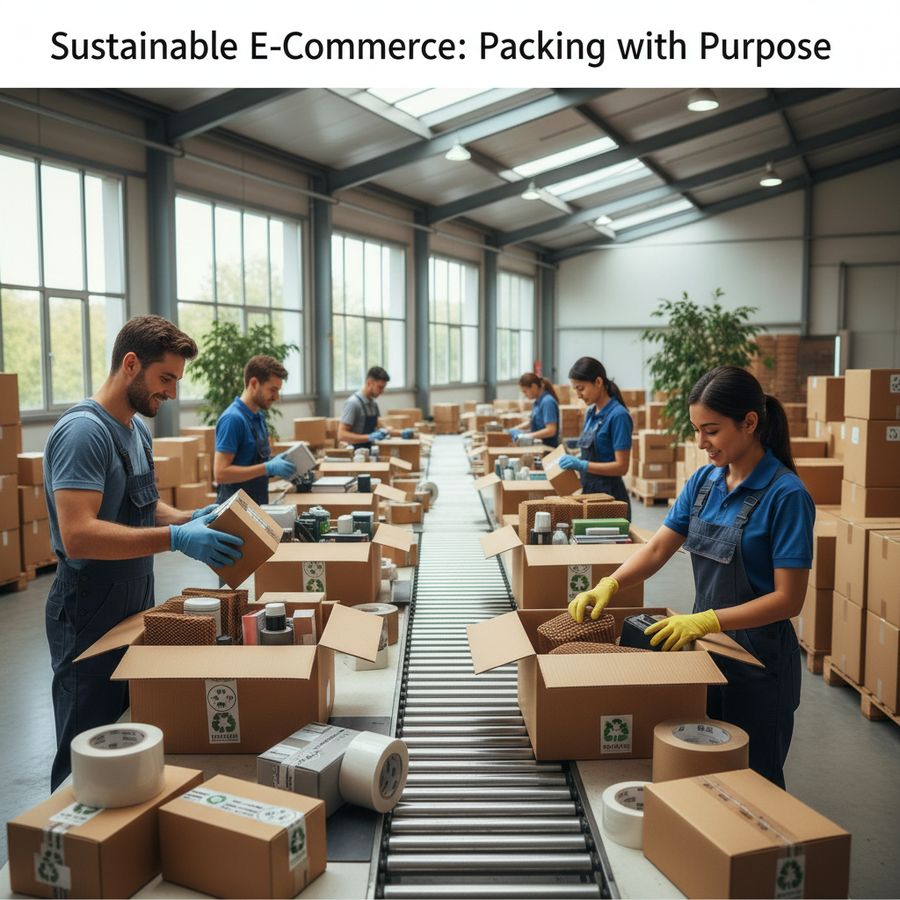
Shock-absorbing means that a material can absorb and distribute the force from impacts and vibrations during transport. In practice, this protects sensitive products from damage, which is particularly important in e-commerce where goods are often handled many times.
A shock-absorbing void fill material acts as a buffer between the product and the carton walls. It reduces the risk of scratches, cracks, or deformations by dampening pressure and impacts. The properties of materials vary, but the goal is always to create a protective layer that keeps the product safe.
"A good shock-absorbing material reduces the number of returns and increases customer satisfaction by delivering an intact product."
Materials such as corrugated chips, recycled paper, or special padding are common examples. The choice depends on the product's sensitivity, weight, and shape, as well as transport conditions. In e-commerce, it's important to balance protection with environmental considerations and cost-effectiveness.
Difference between padding, paper, and chips
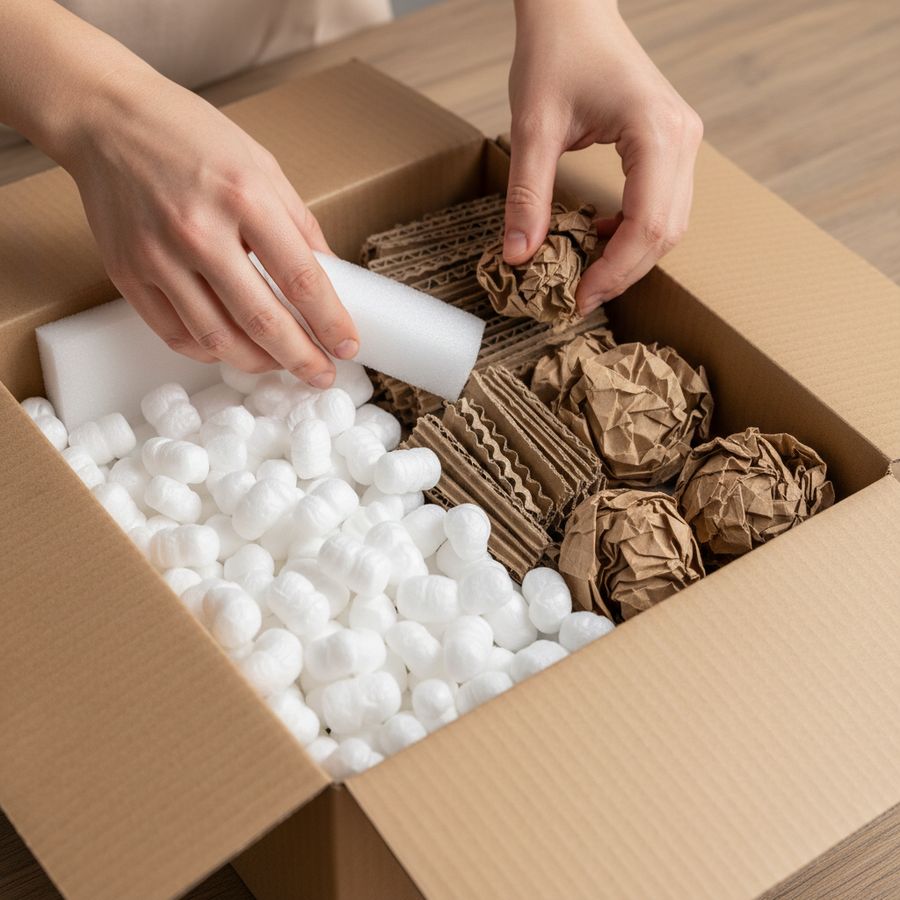
There are several types of shock-absorbing void fill materials, but the most common in e-commerce are padding, paper, and chips. Each material has unique properties that make them suitable for different needs.
- Padding: Soft and flexible, often made of foam or bubble wrap. Good for sensitive items but can be less environmentally friendly.
- Paper: Recycled and malleable, offers good shock absorption while being easy to recycle. Often used as void fill and protective layering.
- Chips: Made from corrugated board or other recycled materials, chips are lightweight, conform to the product, and offer effective shock absorption. They are also environmentally friendly and easy to recycle.
When choosing material, you should consider both protective value and environmental impact. ReppaP's WELL-CHIPS are an example of an environmentally friendly chip made from recycled cardboard with almost zero CO₂ emissions, making it a smart choice for sustainable e-commerce.
When you need extra protection in the box
Extra protection is needed when sending fragile, heavy, or irregularly shaped products that risk damage during transport. In these cases, it is important to use sufficient shock-absorbing void fill material to minimize movement and impacts.
Products such as electronics, glass, and ceramics often require more care. A well-packed box with the right void fill material can be the difference between a satisfied customer and a costly return. It is also important that the packaging material fills all empty spaces in the box to prevent the product from shifting.
"The right packaging material not only protects the goods, it also strengthens the brand's credibility with the customer."
Assessing the need for extra protection involves analyzing the product type, transport route, and delivery method. Feel free to use environmentally friendly and recyclable materials like WELL-CHIPS for sustainable protection without compromising safety.
Optimize material consumption and packing time
Efficient use of packaging material saves both time and money. By choosing the right void fill material and adjusting the quantity, you can reduce waste and facilitate the packing process.
To optimize material consumption, it is important to analyze the needs of each product and use a material that conforms well to the contents, such as corrugated chips. This reduces unnecessary void fill material and minimizes the package size, which in turn lowers shipping costs.
- Train staff in efficient packing methods.
- Use recyclable and easily moldable materials.
- Standardize package sizes to reduce complexity.
An optimized packing process also reduces packing time and increases productivity in warehouses and distribution. At the same time, it contributes to a better environmental profile through reduced material consumption and less waste.
Requirements for recycling and customer experience
Today's consumers place high demands on sustainability and ease of recycling. Using environmentally friendly and 100% recyclable shock-absorbing void fill materials is therefore an important part of a company's CSR efforts.
Materials such as WELL-CHIPS from ReppaP® are made from recycled cardboard and can be easily sorted into paper recycling, which simplifies things for both customers and the environment. This strengthens the brand's image and contributes to a positive customer experience.
"Easy for me as an end-user to sort for recycling, everything goes into the corrugated container." – End customer
By offering environmentally friendly packaging solutions, you demonstrate care for both the planet and the customer. Smooth and sustainable packaging can increase customer loyalty and reduce the risk of negative reviews due to damaged or difficult-to-handle packages.
Conclusion
Choosing the right shock-absorbing void fill material is crucial for success in e-commerce. It's about effectively protecting products, reducing environmental impact, and improving the customer experience. By using environmentally friendly options like WELL-CHIPS, you can contribute to a more sustainable future while ensuring your products reach customers intact and safe.
Optimizing the packing process and material usage leads to cost savings and increased efficiency. At the same time, your business becomes more attractive to today's environmentally conscious consumers. Invest in the right packaging material, train your staff, and prioritize sustainability – it's a winning strategy for both business and the environment.
"Fill your packages – not your CO₂ account."
0 comments